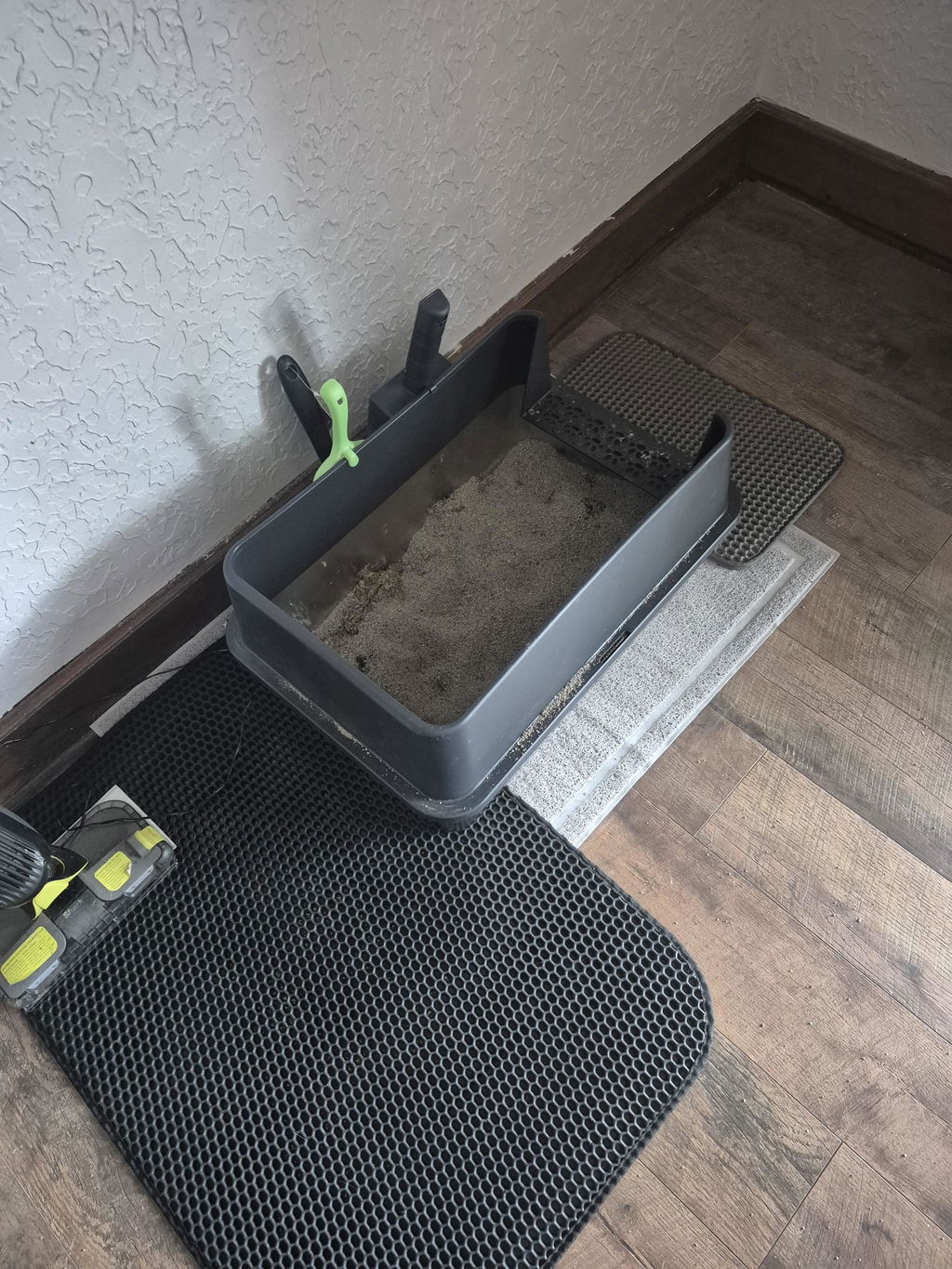
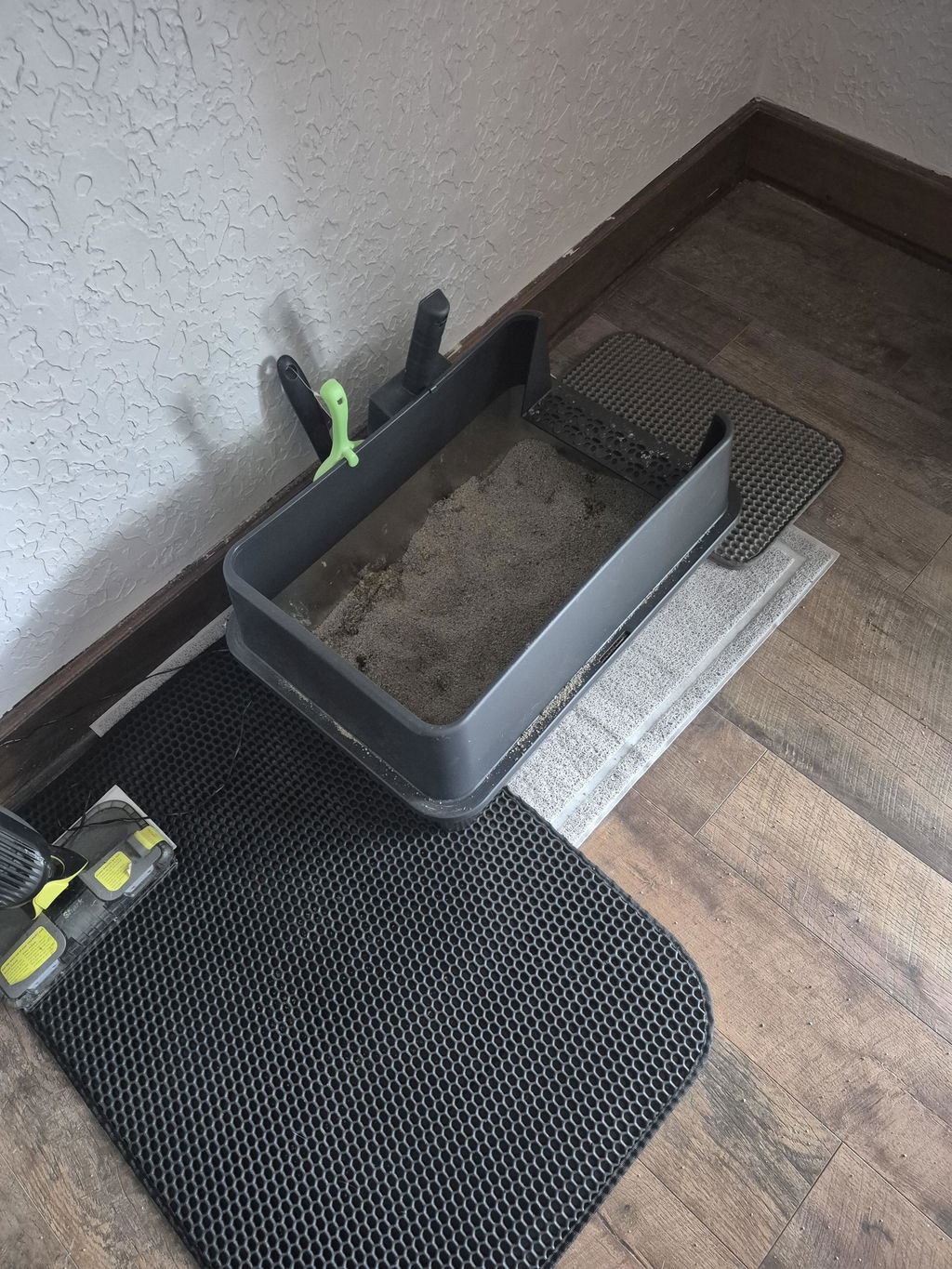
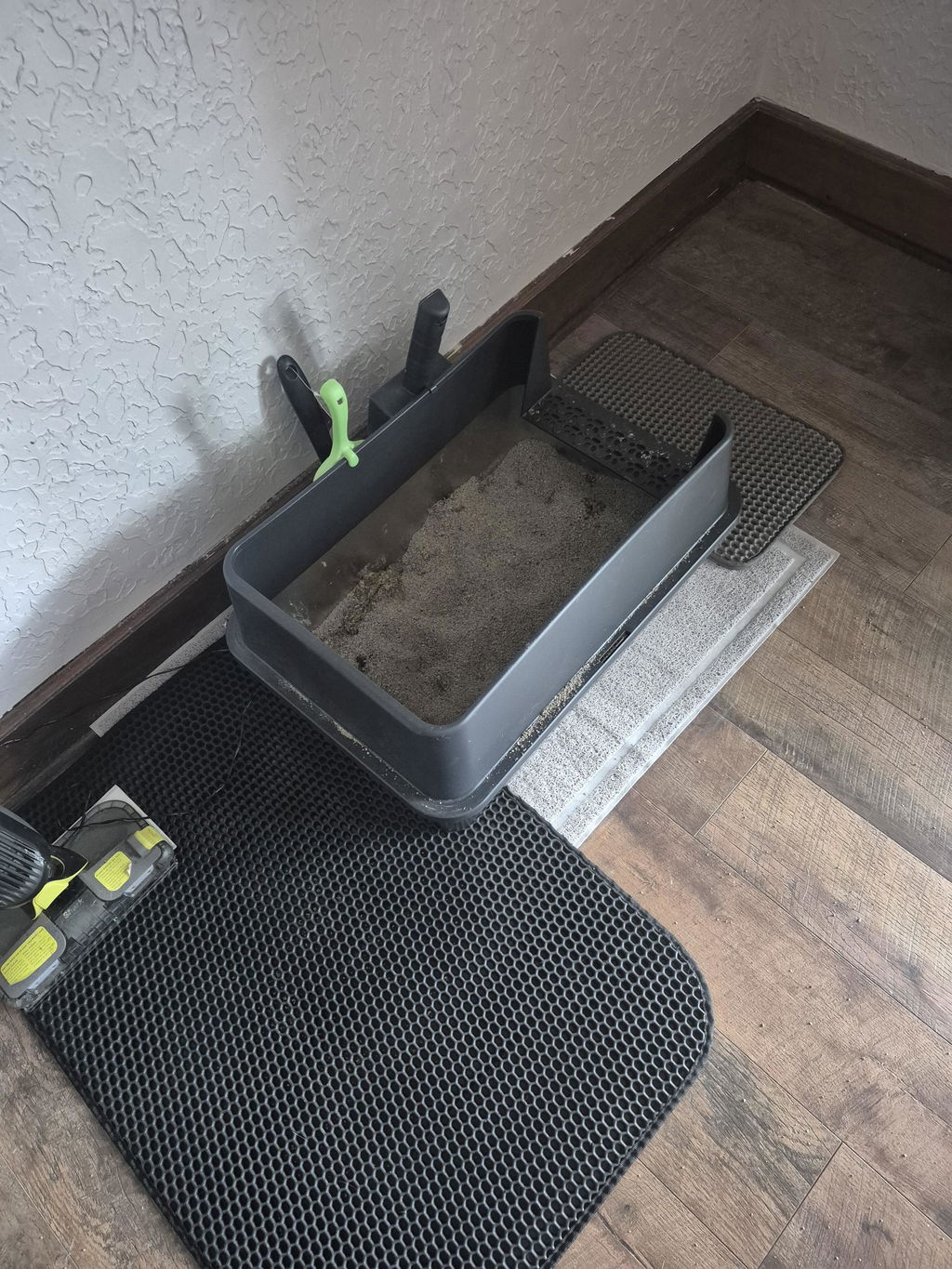
Premium Quality You Can See.
Durable stainless steel, spacious high sides, and an easy-to-clean design made for everyday life with cats.
Made to Last. Easy to Love.

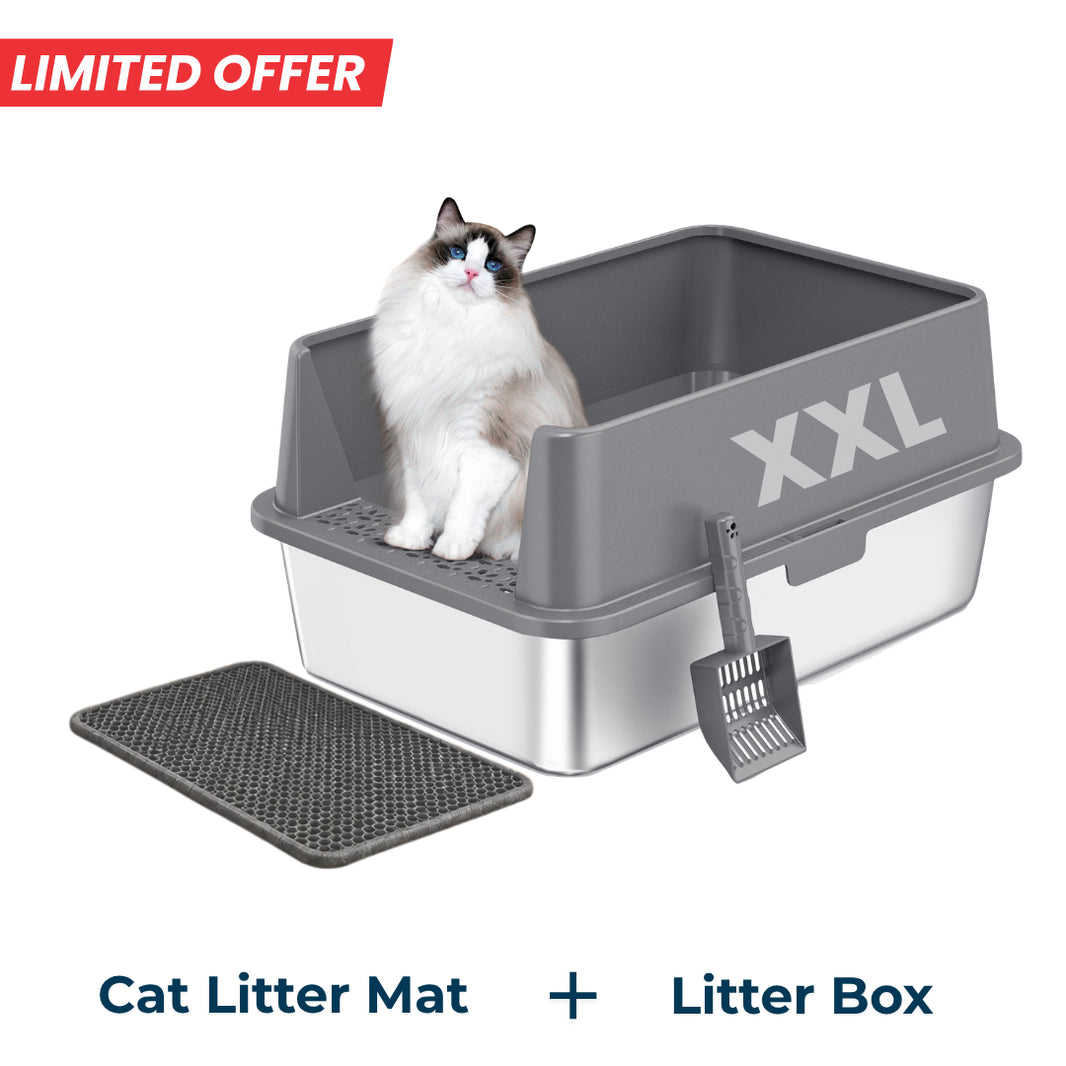
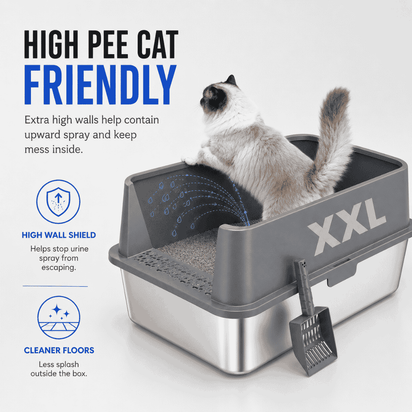
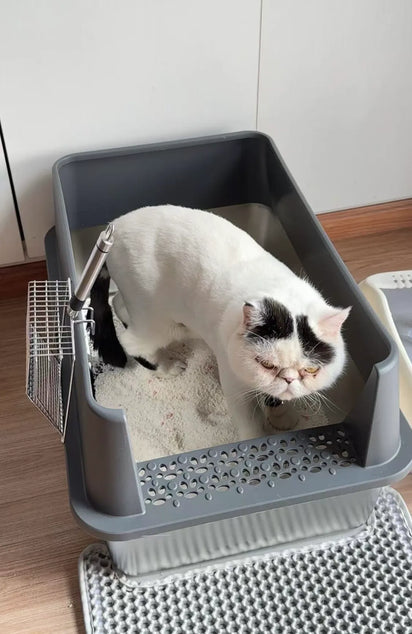
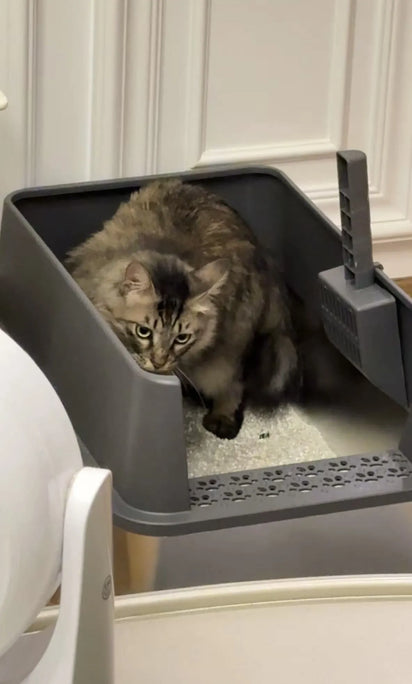
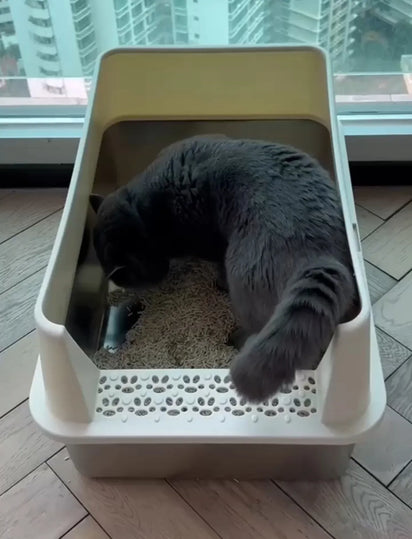
High-sided, low-entry litter box for large cats, senior cats, and multi-cat homes.
October 1–7, 2026 · Eastern Time
Buy More, Get More — One FREE Care Pack Per Litter Box.
A $24.99 surprise care pack — FREE with each eligible litter box.
Every pack includes pet wipes. The remaining items are a surprise, and the combination varies from pack to pack.
Surprise items may include additional pet wipes, grooming tools, toys, or other pet essentials.
The eligible 2 Bundles option receives two packs per unit.
Click + Add to add only the care pack(s). Add your litter box separately using Add To Cart. Review the automatic discount in your cart before checkout.
The pack is free only when your cart contains the qualifying litter box. Without a qualifying purchase, the pack is charged at its regular price. Checkout from your cart to include the gift.
Loading offer…


Base Set Includes:
• 304 stainless steel litter box
• Plastic high-side splash guard
• Color-matching plastic litter scoop
• 4 non-slip pads
Stainless steel scoop and other accessories are optional add-ons and may vary by selected bundle.

Durable stainless steel, spacious high sides, and an easy-to-clean design made for everyday life with cats.
Made to Last. Easy to Love.
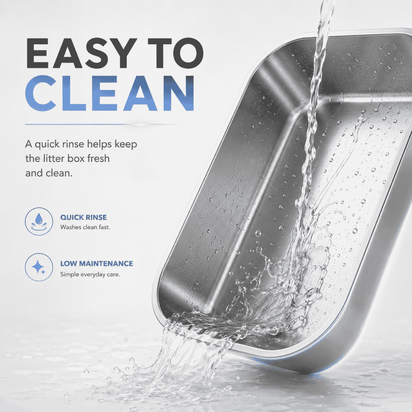
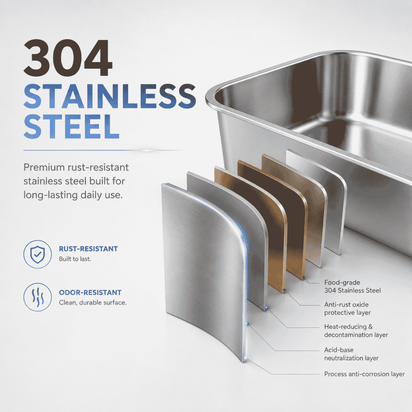
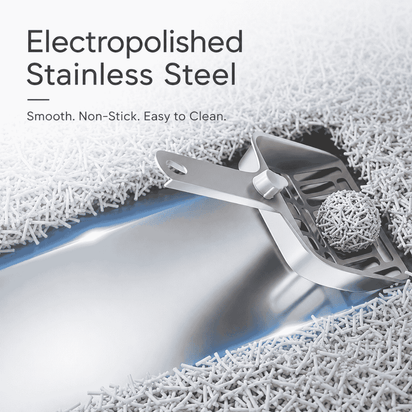

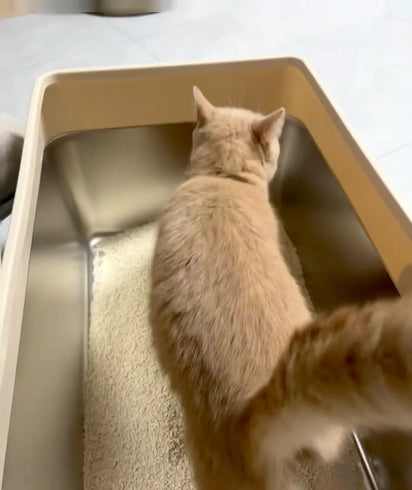
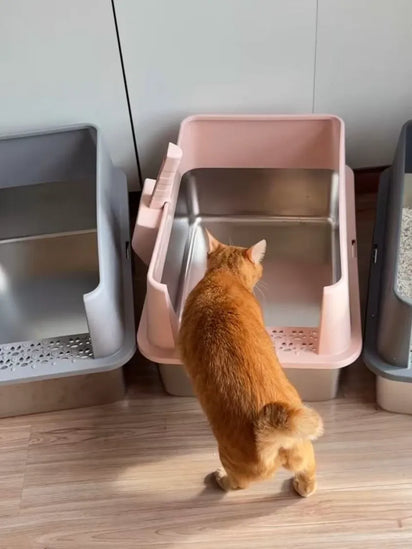
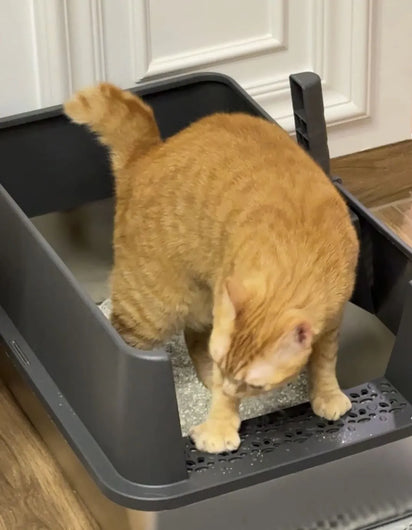
Compatible with clay, tofu, crystal, and health-monitoring litter. The non-stick stainless steel base helps keep cleanup simple while reducing odor, stains, and leftover litter buildup.
✓ Works with most common litter types
✓ Smooth stainless steel surface reduces sticking
✓ Easier to clean than plastic litter boxes
Designed with easy-scoop, no-stick surfaces for less mess every day.

A: Follow these steps:
Placement: Choose a quiet, accessible spot away from food.
Cleanliness: Scoop daily and deep-clean weekly. Stainless steel’s non-porous surface simplifies sanitization.
Size & Style: Use a box 1.5x your cat’s length. Our stainless steel box accommodates large breeds and minimizes litter tracking.
Positive reinforcement: Praise your cat after successful use
A: A big litter box gives your cat plenty of space to move, dig, and cover waste comfortably. It’s especially helpful for large breeds or households with multiple cats, reducing stress and keeping messes inside the box. Bigger boxes are also easier to keep clean and often mean fewer accidents outside the box.
A: For a large box (24" x 16" x 12"), fill with 2–3 inches of litter—usually 8–12lbs for typical clay, or adjust for your litter type. Enough litter allows for digging and covering, but not so much that it becomes wasteful.
A: If your cat often urinates on the litter box edge, first make sure you’re using a litter box that’s large and high-sided enough for your cat to stand and squat comfortably. Many cats need extra room to fully turn around, so choosing a spacious, high-walled litter box—like this model—can prevent accidents and keep the area clean. Regularly cleaning and filling the box with 2–3 inches of fresh litter also encourages proper use. If the issue continues, consider consulting your vet to rule out health or behavioral factors.
A: Low entry litter boxes are ideal for kittens, senior cats, or any cat with mobility issues. The lower sides make it easy for cats to get in and out, protecting joints and encouraging consistent litter box use—perfect for households with young, elderly, or special-needs cats. You can find more details in our cat arthritis treatment article.
The best senior cat litter box has alow entry (less than 4 inches)so aging cats with arthritis or stiff joints can step in easily without pain. Models labeled “low entry litter box for senior cats” are specifically designed for this need. Spacious interior and stable, non-slip base are also important.
Try different locations, litter types, and box styles. Reduce household stress and keep the box spotless. For stubborn cases, see our full troubleshooting guide.
A: Consider the 12" height and ensure the entry point is accessible. The wide 24" length offers roomy comfort, and stainless steel is gentle for sensitive paws and easy to keep hygienic.
A: The large 24" size gives space for turning and burying, while semi-enclosed walls (12" high) provide privacy and minimize scatter—offering comfort and practicality.
A: Yes, stainless steel litter boxes work well with virtually all types of cat litter—clumping clay, non-clumping clay, crystal, pine, corn, and other natural litters. The smooth, non-porous stainless steel surface won’t absorb dust or odors and makes cleaning up any type of litter easy. No matter your cat’s litter preference, stainless steel will not corrode or degrade. Feel free to choose the litter your cat likes best; it will pair perfectly with a stainless steel litter box.
A: 1. Medical issues like UTIs, kidney disease, or arthritis pain during squatting
2.Litter box preferences (e.g., unclean boxes, wrong size, or poor placement)
3.Stress or territorial marking. Always consult a vet first. For litter box issues, our stainless steel litter box resists odor and bacteria buildup, making it easier to maintain a clean, inviting space for your cat
A: Stainless steel litter boxes offer superior durability, are easier to clean, don't retain odors, are scratch-resistant, and are more hygienic since the non-porous surface prevents bacteria growth. They're also more environmentally friendly due to their longevity.
A: A semi-enclosed litter box combines the best of both designs - offering partial enclosure for privacy while maintaining open access and ventilation. This balanced design reduces anxiety common with full enclosures, encourages proper litter box use, and makes cleaning easier. The partial walls contain scatter effectively while allowing cats to monitor their surroundings, making it an ideal choice for cats who avoid fully enclosed spaces.
A: Stainless steel litter boxes are cost-effective, easy to clean, and odor-resistant, unlike automatic ones, which are expensive, require frequent maintenance, and may pose risks like cats getting stuck. Stainless steel offers durability and simplicity without compromising hygiene.
A: Stainless steel litter boxes are non-porous, meaning they won't absorb odors from cat peeing or pooping. The smooth surface makes cleaning quick and easy, preventing bacteria buildup. It's durable, hygienic, and perfect for maintaining a fresh, odor-free environment for your cat.
A: Yes, using a small amount of baking soda in the litter box is generally safe and helps control odors. However, avoid using too much, as it can irritate your cat or cause health issues if ingested. Always monitor your cat and consult your vet if unsure.


We will send you an email to reset your password
Not sure where to start?
Try these collections: